6 Ways to Overcome Retirement Anxiety and Enjoy Your Future
For many adults looking forward to this new chapter, retirement anxiety can come as a surprise. It’s that mix of excitement and uncertainty – wondering how you’ll spend your days, whether your savings will last, or how your identity might shift once work no longer defines your routine. The good news? With thoughtful planning, purpose, and community, retirement can be the rewarding transition you always thought it would be!
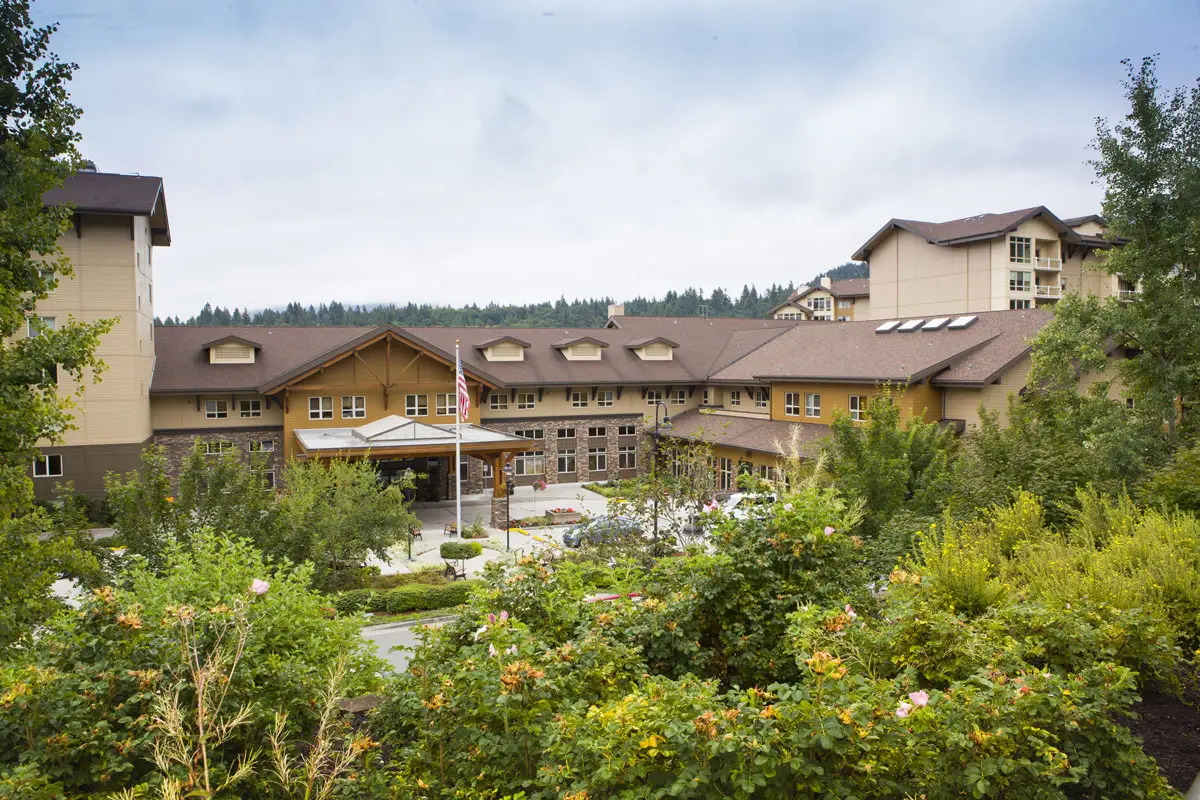
This guide explores what retirement anxiety is, common symptoms, and practical steps that help Timber Ridge at Talus residents successfully overcome retirement anxiety and embrace their bright futures with confidence.

What Is Retirement Anxiety?
Retirement anxiety is the stress, worry, or unease that comes with leaving your career and adjusting to a completely different daily routine. It’s not about being ungrateful for free time – it’s about grappling with real changes that affect your sense of self.
Several factors contribute to these feelings:
Loss of identity. When your career has defined you for years, retiring can feel like losing part of who you are. The title, the expertise, the daily purpose – suddenly, it’s all different.
Financial concerns. Even with solid planning, questions about money can keep you up at night. Will your savings last? What about unexpected costs?
Social disconnection. Work relationships often disappear after retirement, and finding new connections takes effort.
Health worries. Aging brings legitimate concerns about physical and mental well-being, especially when you’re no longer distracted by a busy schedule.
According to research from organizations like HelpGuide.org and AberdeenPersonal.com, these concerns are widespread and shouldn’t be dismissed as trivial.
Retirement Anxiety Symptoms
Recognizing retirement anxiety symptoms early helps you address them before they take root. Watch for these signs:
- Persistent worry about finances, health, or purpose
- Difficulty sleeping or changes in sleep patterns
- Feeling restless or unable to relax, even with more free time
- Loss of motivation or interest in activities you once enjoyed
- Increased irritability or mood swings
- Physical symptoms like headaches, fatigue, or digestive issues
- Avoiding social situations or feeling isolated
- Questioning your self-worth or value now that you’re not working
If these sound familiar, know that you’re not alone – and there are concrete steps you can take. Supportive communities like Timber Ridge offer environments designed to help alleviate these symptoms through connection, purpose, and engagement.

6 Recommendations to Overcome Retirement Anxiety
1. Build a Balanced Daily Routine.
A strong routine provides structure when the 9-to-5 disappears. Create simple anchors for your day: a morning walk, planned activities, time for hobbies, and social interaction. Consistency promotes calm and helps replace old work rhythms with new, enjoyable ones.
At Timber Ridge, residents can join group fitness classes, attend social events, or pursue creative hobbies that make each day purposeful.
2. Engage in Meaningful Activities.
One of the best ways to counter retirement anxiety is to stay active – mentally and socially. Try volunteering, joining a club, or taking a class to learn something new. Activities that blend enjoyment and contribution help restore a sense of utility and connection.
3. Maintain Financial Confidence.
Much of retirement anxiety stems from money worries. Develop a clear financial plan, budget carefully, and review your cost of living expectations. Attend financial seminars or workshops to stay informed. Learn how LifeCare® gives Timber Ridge residents peace of mind knowing many expenses – residence, meals, maintenance, fitness, and more – are covered in one predictable monthly fee.
4. Stay Socially Connected.
Isolation is one of the most overlooked retirement anxiety symptoms. Nurture friendships and family ties, and seek opportunities to meet new people. Shared meals, group outings, and hobby clubs foster meaningful relationships. Timber Ridge offers abundant ways to connect, from social lounges to interest-based gatherings.
5. Focus on Health and Wellness.
Physical and emotional well-being directly influence how you experience retirement. Regular exercise, nutritious meals, and mindfulness practices all reduce retirement anxiety and promote longevity. Residents at Timber Ridge benefit from wellness programs, fitness classes, day trips, and chef-prepared dining designed to support whole-body health.
6. Set Goals and Explore New Interests.
Even in retirement, setting goals keeps life exciting. Whether it’s mastering pickleball, learning a new language, or volunteering, goals give direction and meaning. At Timber Ridge, residents are encouraged to explore passions that enrich personal growth and strengthen community ties.

Discover Peace of Mind at Timber Ridge
Retirement anxiety may feel overwhelming at first, but it doesn’t have to define your next chapter. With thoughtful planning, engagement, and support, this stage of life can bring more freedom, joy, and discovery than ever before.
Take the next step toward a fulfilling, stress-free retirement at Timber Ridge. Contact us today to schedule a visit and explore our vibrant community, enjoy engaging activities, and discover how supportive living can help you overcome retirement anxiety and embrace your future with confidence.