Aging and the Immune System: Tips for Seniors to Stay Healthy
As the body’s natural defense system, the immune system plays a vital role in protecting against illness and infection. However, understanding the relationship between aging and the immune system is crucial, as the immune system undergoes changes as we get older. This natural process can leave seniors with a higher risk of certain illnesses and infections – but there are many proactive steps that can help maintain immunity and resilience. At Timber Ridge at Talus, a Life Plan Community in Issaquah, Washington, residents benefit from a supportive, wellness-focused environment designed to encourage healthy living and long-term vitality.
Understanding the Aging Immune System
So, how does aging affect immunity? Research shows that the immune system reaches peak performance in early adulthood, then gradually declines with age. Over time, the body produces fewer immune cells, particularly T-cells and B-cells that are critical for fighting infections. Additionally, the response to new infections or vaccines may weaken, and inflammation can become more chronic. This process, often called immunosenescence, is one key reason why seniors may take longer to recover from illnesses and face increased susceptibility to infections.
If you’ve wondered, “Does your immune system weaken with age?” the answer is yes – but the good news is that this decline isn’t inevitable or irreversible. Seniors can take many meaningful steps to strengthen their immunity and continue enjoying a vibrant, healthy lifestyle well into their golden years.

Common Signs of Weakened Immune Systems in Seniors
It’s important to recognize when the immune system may need extra support. Being aware of these warning signs can help you take action early. Some common indicators include:
- More frequent colds, flus or infections that seem to occur more often than before
- Slower recovery after illness or injury, with symptoms lingering longer than usual
- Fatigue or consistently low energy levels that interfere with daily activities
- Wounds or cuts that heal more slowly than expected
- Recurring infections, such as urinary tract or respiratory infections
If you notice these changes persisting over time, consulting with a healthcare provider is an important first step. They can help determine underlying causes and create a personalized plan to support your immune health.
How Seniors Can Boost Their Immune Systems
The question many ask is, “How can seniors boost their immune systems?” The answer lies in a comprehensive approach that combines medical care, nutrition, targeted supplements, and healthy daily habits. Each element works together to support the body’s natural defenses, including:
- Vaccines for Seniors
Vaccines remain one of the most effective and scientifically proven tools to prevent serious illness. Because the aging immune system responds differently to infections, staying current with vaccinations is especially critical for seniors. Talk with your doctor about annual flu vaccine, COVID-19 boosters, the shingles vaccine (typically recommended for adults 50 and older), and pneumonia vaccines. These preventive measures can significantly reduce the risk of complications and hospitalizations. - Nutrition
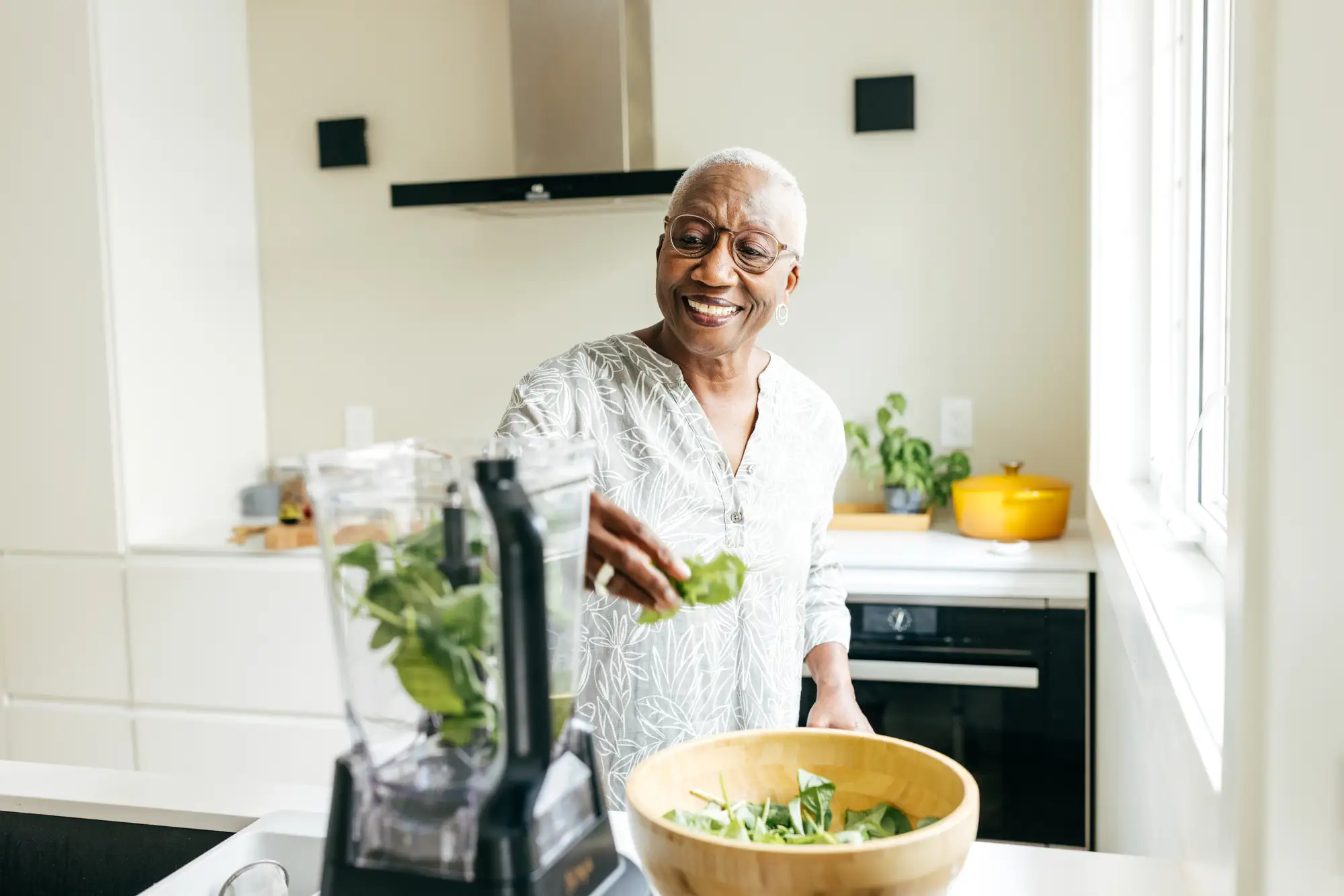
A balanced, nutrient-dense diet is foundational to immune health. Foods rich in antioxidants, vitamins, and minerals give the body the essential building blocks it needs to fight off illnesses. Focus on colorful fruits and vegetables, lean proteins like fish and poultry, healthy fats from sources like olive oil and nuts, and whole grains. Foods particularly beneficial for immunity include citrus fruits, berries, leafy greens, garlic, ginger, and yogurt with probiotics. Proper nutrition not only supports immune function but also helps maintain energy levels and overall well-being. - Supplements
For some seniors, dietary supplements can help fill nutritional gaps. The best immune system supplements for seniors may include vitamin D (especially important for those with limited sun exposure), vitamin C, zinc, and B vitamins – but supplementation should always be done under the guidance of a healthcare professional. They can assess your individual needs through blood work and recommend appropriate dosages to avoid potential interactions with medications. - Lifestyle Habits
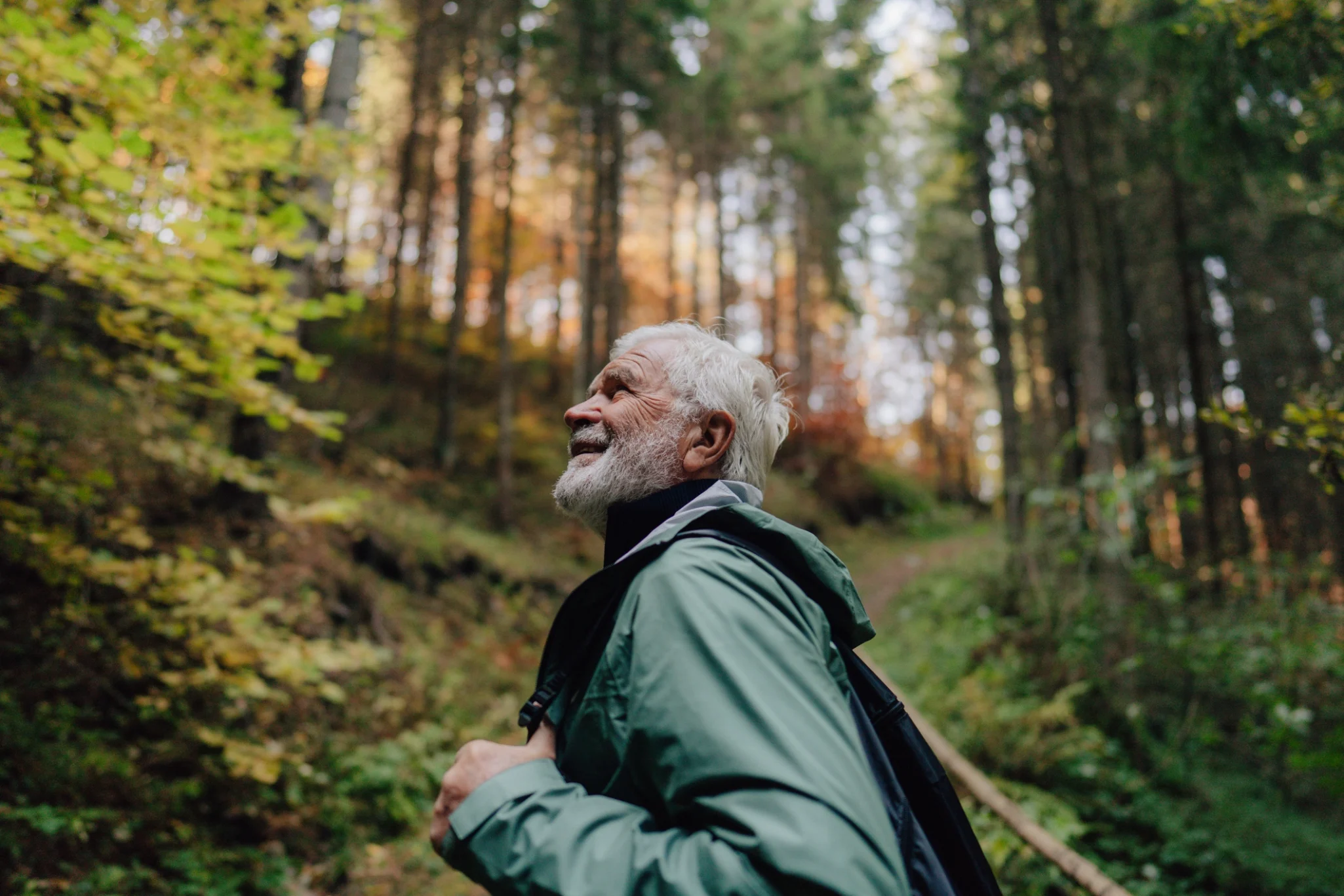
Daily lifestyle choices have a profound impact on immune function. Regular physical activity improves circulation, helping immune cells move through the body more effectively. Aim for at least 150 minutes of moderate exercise per week. Quality sleep is equally important – during rest, the body produces infection-fighting proteins and antibodies. Managing stress through techniques like meditating, deep breathing or engaging hobbies also helps, since chronic stress can suppress immune response. Even gentle activities like yoga, tai chi or daily walks can make a meaningful difference in maintaining immune strength.

Practical Tips for Maintaining Overall Wellness
Alongside immunity-boosting strategies, incorporating these daily habits can support overall health and resilience:
- Stay active with regular movement and low-impact exercise that you enjoy and can sustain
- Drink plenty of water throughout the day – proper hydration supports every system in the body, including immunity
- Eat a healthy diet – prioritize nutrient-rich meals with variety and color on your plate
- Schedule routine checkups and health screenings to catch potential issues early
- Engage in group activities and maintain social connections, which research shows can strengthen immune function and mental health
- Practice good hygiene, including regular handwashing and avoiding close contact with those who are ill
- Limit alcohol consumption and avoid smoking, both of which can compromise immune function
The Role of Community in Supporting Immune Health
Living in a wellness-focused environment like Timber Ridge at Talus makes maintaining these immune-boosting habits not just easier but also enjoyable. When healthy living is woven into the fabric of daily life, it becomes natural rather than a chore. From chef-prepared nutritious meals that take the guesswork out of healthy eating to varied fitness opportunities tailored to different ability levels to engaging social programs that combat isolation and loneliness – our community provides the infrastructure and support that help residents embrace healthy living while building meaningful connections. Access to healthcare support and wellness resources means you’re never alone in managing your health journey.
Live Well
While aging and the immune system are closely linked, seniors have more control over their immune health than they may realize. The natural changes that come with age don’t have to mean compromising your quality of life or vitality. By staying proactive with nutrition, vaccines, supplements, and lifestyle habits – and by choosing to live in a supportive, health-conscious environment – seniors can continue to thrive, stay independent, and enjoy the activities and relationships that bring meaning to their lives.
Protect your health and strengthen your immune system at Timber Ridge at Talus. Contact us today to schedule a tour and discover firsthand how our wellness-focused community helps seniors stay active, engaged, and healthy every day. Your best years are still ahead – let us help you make the most of them.